Facebook
 X
X
 Pinterest
 Copy Link
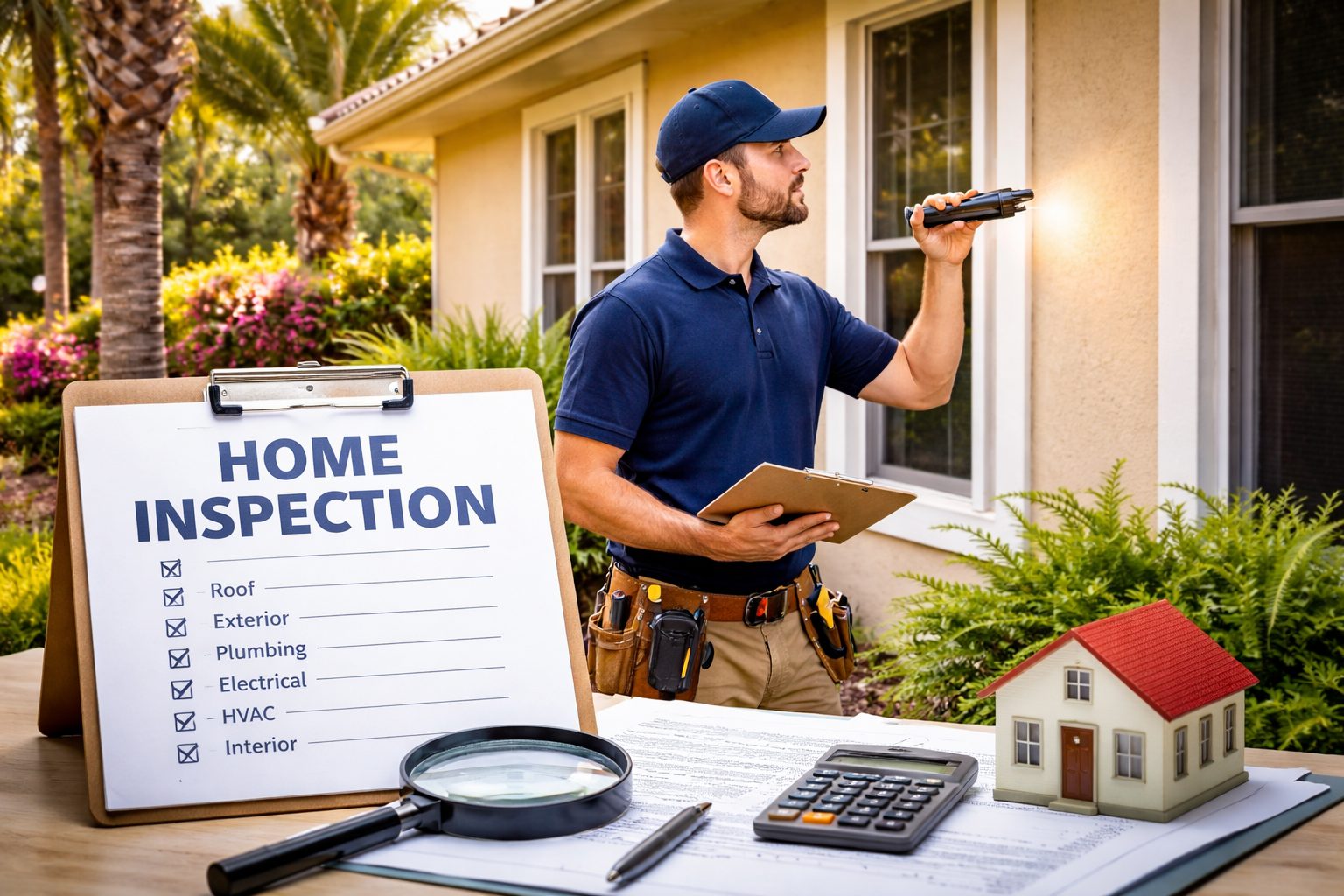
Fort Lauderdale luxury real estate buyers and sellers often feel the deal is moving smoothly, until home inspection delays slow everything down. The core tension is simple: one surprise finding can turn the real estate closing process into a waiting game, with repairs, rechecks, and negotiations stretching the property sale timeline. In this market, common inspection issues can be especially frustrating because they’re not always obvious during showings, even in homes that look pristine. Knowing why these delays happen helps buyers and sellers set calmer expectations and keep momentum when the clock starts to matter.
Quick Summary and Key Takeaways
- Watch for early warning signs like water stains, musty odors, and hairline cracks before scheduling inspections.
- Focus on common trouble spots like roofs, plumbing leaks, HVAC performance, and electrical panels to avoid surprise delays.
- Plan fast repair moves by lining up qualified contractors and getting quotes ready for inspection findings.
- Use clear negotiation steps like repair credits or defined fix lists to keep timelines predictable.
- Keep the closing on track by responding quickly to reports and documenting repairs cleanly.
Understanding Why Condition Slows a Closing
A home’s condition is not just a punch list. It is a signal that can trigger lender worries, restart price discussions, and add scheduling friction that drags out the closing timeline. Once you see which issues tend to raise eyebrows, you can predict what will stall the deal and what is simply routine.
This matters because delays cost money and patience. Small surprises can turn into big decisions fast, especially when a buyer’s financing depends on a clean appraisal and acceptable risk.
Think of it like a pre-purchase inspection on a luxury vehicle. A minor scratch is easy, but an engine issue changes the plan, the price, and the timing. With that in mind, you can spot issues early, negotiate repairs smartly, and save the right inspection paperwork.
Inspection Delay Questions, Answered Simply
Q: What are the most common home inspection issues that cause delays in closing a Fort Lauderdale luxury home sale?
A: The biggest time-eaters are roof and moisture intrusion, older electrical panels, HVAC performance, plumbing leaks, and safety items like pool barriers. Delays usually happen when the fix is unclear or access is hard to schedule. A smart next step is to gather recent service records and warranties before the inspection date.
Q: How can sellers and buyers identify early warning signs of these inspection problems before the official inspection?
A: Look for water staining, musty odors, slow drains, flickering lights, and inconsistent cooling from room to room. Run every faucet, flush, and major appliance during a walkthrough, and ask for the last service dates in writing. Taking time-stamped photos also helps you confirm what changed and when.
Q: Why do certain inspection findings slow down lender approval or space out negotiations during a real estate transaction?
A: Lenders can pause when an issue suggests higher risk or future cost, so they may ask for proof the problem is corrected. Negotiations stretch out when parties disagree on scope, who pays, or whether the home is being sold as-is. Knowing an as-is seller is not obligated to make repairs can help everyone set realistic terms quickly.
Q: What are the fastest and most realistic fixes to address inspection issues and keep a closing on schedule?
A: Focus on safety and function first: tighten loose railings, replace GFCI outlets, service HVAC, repair active leaks, and clear blocked drains. Use licensed pros, then save paid invoices, permits (if required), and a brief “work completed” note with photos. For minor electrical items, confirm the exact part with an electrician, then source matching replacements from a local supply house or online electrical supply stores.
Q: How can a real estate sponsor assist sellers and buyers in handling unexpected inspection issues to avoid delays?
A: They can keep the timeline moving by coordinating access, lining up qualified contractors quickly, and tracking deadlines so small items do not linger. They can also help standardize documentation by organizing receipts, before-and-after photos, and completion letters into one shareable packet. Tools like home inspection software that digitally record and document conditions can make that packet clearer for all parties.
A Pre-Inspection Prep Checklist That Speeds Up Negotiations
A smooth inspection phase is a lot like maintaining a yacht on a regular service schedule: a little prep up front prevents big surprises later. Use this checklist to reduce “wait-and-see” delays, keep communication calm, and make repair negotiations faster and cleaner.
- Do a quick pre-inspection walk-through (with a notes list): Spend 30–45 minutes walking the home like an inspector would: under sinks, around the water heater, at the electrical panel, and along windows/doors. Write down anything that looks off (drips, stains, loose outlets, sticky doors) and sort it into “fix now,” “monitor,” and “disclose.” This helps you catch the small electrical items and minor maintenance issues that can snowball into renegotiations.
- Gather your “home paperwork pack” in one folder: Create a simple folder (digital or paper) with permits (if you have them), warranty info, HOA/condo docs (if applicable), and service records for major systems like HVAC, roof work, pool equipment, or generator. Negotiations go faster when a buyer can verify age, service history, and transferability without chasing people down. If you don’t have something, add a one-line note like “No record available, priced accordingly” so it doesn’t become a mystery later.
- Document repairs like you’re building a mini case file: For any pre-listing fixes, save three things: the invoice/receipt, a short “what was done” note, and 2–3 photos (before/after if possible). Label files clearly: “Kitchen GFCI replaced – 2/14” beats “invoice.pdf.” When the report flags an item you already addressed, you can respond in minutes with proof instead of restarting the debate.
- Pre-write your seller response templates (so you don’t stall): Have two short drafts ready: one for “we’ll repair” and one for “we’ll credit/adjust.” Include who will do the work (licensed pro when needed), the deadline, and how you’ll share proof (paid invoice + photos). This speeds up the back-and-forth and keeps everyone focused on solutions rather than wording.
- Set a communication cadence the same day the inspection is scheduled: Ask for one point of contact on each side and agree on update windows (for example, “We’ll respond by 5 p.m. within 24 hours of new info”). Proactive seller communication prevents the silent gaps where buyers start imagining worst-case scenarios. It also makes it easier to coordinate access for re-inspections or contractor estimates.
- Manage the inspection contingency with a simple decision tree: On day one, agree on how you’ll categorize findings: safety/water intrusion first, then major systems, then cosmetic items. Put a cap on “re-trades” by requesting one consolidated repair request from the buyer rather than multiple rounds. In negotiation, it helps to expand your view of leverage by naming what you can offer besides money, fast scheduling, clear documentation, or a pre-approved vendor list for quick fixes.
Keep Your Fort Lauderdale Sale On Track After Inspections
Inspection reports can feel like an unexpected finding during a high-stakes appraisal: one small issue can snowball into preventing deal delays if it isn’t handled calmly and quickly. The steady approach is simple, treat inspection hurdle navigation like a shared plan, prioritize what matters, document fixes, and keep communication consistent so no one fills in blanks with worry. When that mindset leads the way, Fort Lauderdale home sales move with fewer pauses, stronger closing deal confidence, and more successful real estate transactions that land on schedule. Fast proof and steady communication turn inspection hiccups into manageable steps. Choose one point of contact and send the repair plan and receipts within 24 hours. That follow-through protects timelines and keeps everyone feeling secure all the way to closing.
Guest writer, Penny Martin